
Event marketing and social media integration: how to make both work together
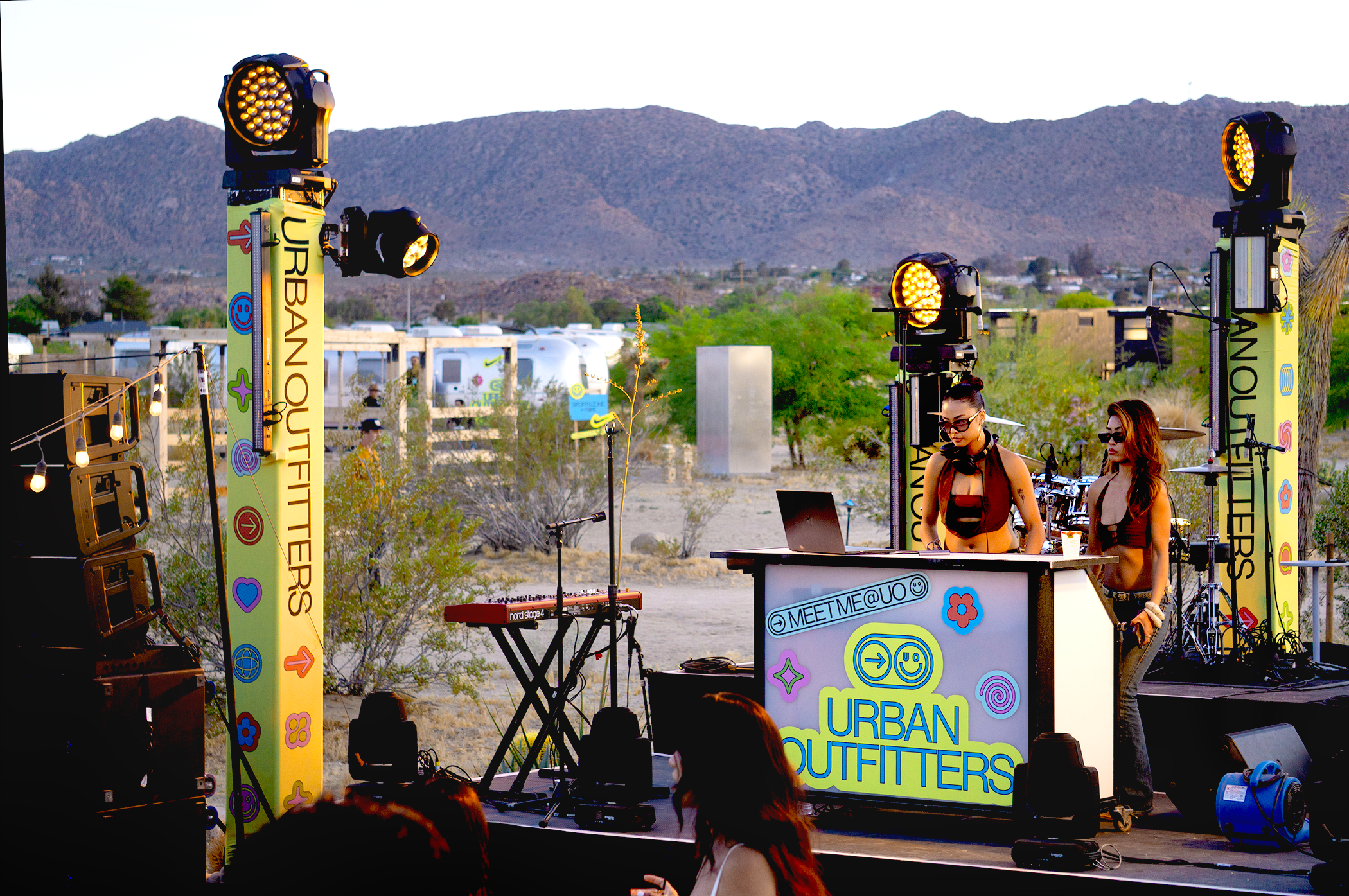
A live event that doesn't generate social content is reaching only the people in the room. For most brands, that's a fraction of the audience the event is capable of reaching. Social media integration is not a bolt-on layer you add to an event after the production is figured out. When it's done well, it's built into the event from the start, designed into the environment, planned into the run of show, and resourced properly before the first guest arrives. Events with active UGC campaigns see a 51% increase in social media engagement, and 93% of marketers report that user-generated content outperforms traditional branded content. The math is clear. The execution is where most brands fall short. This post covers how to integrate social media into event marketing in a way that actually extends the event's reach, generates content worth using, and connects the live moment to the digital audience that couldn't be there.
Why most events underperform on social
The gap between what an event could generate on social media and what it actually generates usually comes down to one thing: the social strategy was an afterthought.
A production team focused on the live experience makes decisions that optimize for the people in the room. Lighting that looks great in person may not photograph well. Moments that feel powerful live may not translate to a vertical video clip. The most visually striking element of the space may be in a location where most attendees never stand for long.
When social media integration is built into the production from the beginning, those decisions get made differently. The lighting serves both the live experience and the camera. The shareable moments are designed, not hoped for. The environment is built to work in a 9:16 frame as well as it works in person.
Design for the camera without forgetting the room
The first principle of social-integrated event production is that the physical experience still has to be the priority. Events designed entirely around content creation often feel hollow to the people attending them. The photo moment is obvious. The experience feels like a set rather than a place.
The goal is not to sacrifice the live experience for content. It's to design an environment where the live experience and the content opportunity are the same thing.
Practically, that means considering backdrop quality at every area of the space where people will naturally gather. It means thinking about signage and brand elements in terms of how they appear in a background rather than just how they read in person. It means lighting decisions that work under a phone camera, not just to the human eye.
The spaces that generate the most organic content are usually the ones where the design is genuinely compelling. People share what genuinely surprises or impresses them. A fabricated backdrop specifically for photos gets used. A beautiful environment gets photographed constantly because people want to document that they were there.
Build social moments into the run of show
Organic social content happens spontaneously. It also happens more when the event is structured to create the conditions for it.
A run of show that includes planned moments worth sharing, a reveal, a performance, a visual transformation of the space, an interactive element that produces a shareable output, gives attendees specific things to capture. Those moments generate a burst of content that is more coordinated and more visually consistent than a continuous trickle of ambient photos.
The timing of these moments matters for social reach. Content shared live from an event performs differently than content shared the next day. If there's a moment the brand wants to own on social, the run of show should place it at a time when attendees are most likely to post in real time.
Hashtags and handles: simple but still worth doing right
A branded hashtag is the most basic social integration tool and still worth getting right.
Short enough to remember. Specific enough to aggregate content only from this event. Present in the space without dominating it. A hashtag that appears on a single small sign by the entrance will be used by almost nobody. A hashtag that appears naturally throughout the environment, on menus, on signage, on printed materials, on the screens during the event, gets used consistently.
The brand handle belongs in every organic social context too. Attendees who tag the brand directly extend the content's reach to the brand's own followers. The simpler it is to tag correctly, the more often it happens.
Content capture: don't leave it to chance
Every event that matters to the brand should have dedicated content capture running throughout. Not just a photographer for key moments. A content team that is capturing the kind of raw material that works on social: short vertical clips, close-up detail shots, crowd moments, the behind-the-scenes view that followers find more engaging than polished produced content.
TikTok branded hashtag challenges average over 4,500 user-generated videos per campaign, which points to something worth understanding: the appetite for event content is large and the formats that perform are often more casual than brands expect. A 15-second clip shot on a phone from inside the event routinely outperforms a produced brand video from the same event, because it feels real rather than marketed.
Having a content team at the event specifically briefed to capture social-native content, short, vertical, unpolished in the right way, gives the brand material to post in real time and to use for weeks after the event ends.
Influencer and creator integration
For brands where influencer attendance is part of the event strategy, the social integration planning has to account for how creators work differently from regular attendees.
Creators need to be able to move through the space freely. They need access to the best visual angles, which may not be where general guests stand. They need to know the run of show well enough to be in position for the moments worth capturing.
Brief creators before the event. Tell them what you want them to see, what moments are planned, and what the brand wants the content to communicate. Leave them room to be authentic because their audience can tell when they're following a script. But give them enough context that their content serves the event strategy rather than working around it.
The brands that get the most from influencer attendance at events are the ones that treat creators as a production element, not just a guest list.
Real-time posting versus post-event content
Both have a place and they serve different goals.
Real-time content from an event builds FOMO and extends the live moment to an audience that isn't there. It drives awareness and, for ticketed events, it drives demand for future editions. The content quality is often lower than post-event produced pieces, but the immediacy compensates for that.
Post-event content has more time and attention in production. It can tell the story of the event more completely. It works well for brand channels that want to document what they created rather than just capture the live moment.
A complete social strategy for a major event plans both. What goes out during the event, who is posting it, and from what vantage point. What gets produced afterward, how long it takes to turn around, and what narrative it tells.
Measurement
Social media integration is one of the more measurable dimensions of event marketing when the metrics are chosen correctly.
Total UGC generated, reach from attendee posts, earned media value from organic content, follower growth on brand channels during and after the event, hashtag volume, and engagement rate on brand posts from the event all give a reasonably complete picture of how the social integration performed.
The mistake is measuring social performance in isolation from the event's broader goals. If the event was designed to drive purchase consideration, the social metrics that matter are the ones that connect to that outcome, not just the ones that show how many people posted.
What this looks like in production
Social integration at the production level means the following decisions happen before event day, not on it.
Where are the highest-traffic areas of the space and what do they look like on camera? Is the lighting in those areas strong enough for phone cameras? What is the hashtag and where does it appear in the space? Who is responsible for real-time posting and what access do they have during the event? What are the planned moments in the run of show that will generate peak content sharing, and when do they happen?
These are production questions. The answers belong in the production brief alongside the fabrication specs and the permitting requirements.
IDEKO produces events and brand activations where social integration is part of the production scope rather than an afterthought. If you're planning an event and want to talk through how to build social performance into the production from the start, get in touch with the brief.
The event ends when the last guest leaves. The content it generates keeps working after that.