
Pop-Up Events as a Marketing Strategy: A Tactical Guide
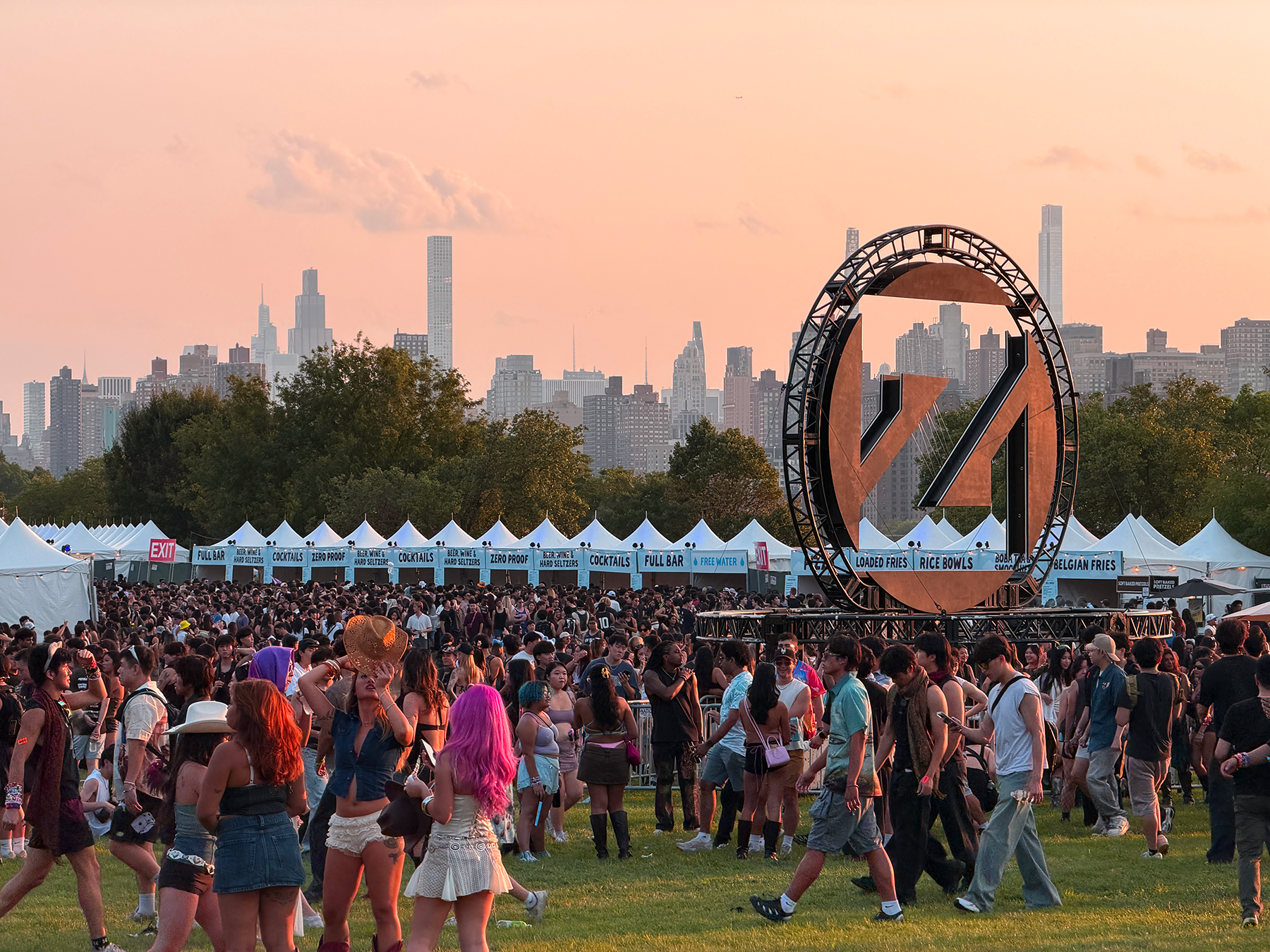
Custom-fabricated pop-up event installation with branded environment and engaged visitors in a high-traffic urban location in New York City
A pop-up event is one of the most effective formats in experiential marketing when it's executed well, and one of the most commonly underwhelming when it isn't. The difference is almost never the concept. It's the gap between what the brand imagined and what the production actually delivered. SKIMS ran a pop-up at Rockefeller Center that generated national press, long lines, and social content the brand used for weeks. Thousands of other brands run pop-ups every year that produce attendance without impact. The format is the same. What separates the two is the precision of the brief, the quality of the build, and the clarity of what the pop-up is actually trying to achieve. This is the tactical guide to getting all three right.
What a pop-up event actually is
A pop-up event is a temporary, location-specific brand experience. It exists for a defined period, anywhere from a single afternoon to several weeks, in a space that isn't the brand's permanent home. The temporary nature is a feature, not a constraint. It creates urgency and exclusivity that a permanent retail location or a standing event space cannot produce.
Pop-ups are not the same as temporary retail stores, though they can include a retail component. A pop-up event is defined by the experience it creates, not by the transactions it facilitates. A brand that opens a temporary shop to move product is doing temporary retail. A brand that creates an environment people come to experience, that happens to also sell product, is doing a pop-up event. The distinction matters because it changes what the brief looks like, what the production requires, and how success gets measured.
Why pop-up marketing works
The pop-up format works for reasons that are structural, not circumstantial.
Urgency drives attendance. A permanent store can always be visited later. A pop-up that closes Sunday creates a reason to show up this weekend. That urgency is built into the format and requires no additional marketing to communicate.
Shareability is high. People share things that exist temporarily because sharing is part of how they document being somewhere worth being. A well-designed pop-up environment generates social content from attendees at rates that fixed locations rarely match. SKIMS pop-ups consistently produce social content that reaches multiples of the live attendance because the environment is designed to be photographed and the temporary nature creates FOMO-driven sharing.
Location is flexible. A pop-up can go where the audience is, rather than requiring the audience to come to a fixed location. A brand can appear in a neighborhood, a festival, a market, or a destination location for a defined window without the commitment of a permanent space.
Press responds to the ephemeral. A new permanent location gets covered once. A pop-up in a remarkable location, or a pop-up from a brand that doesn't usually do physical retail, is a story. The temporary nature is itself newsworthy.
The strategic objectives a pop-up can serve
A pop-up can serve multiple marketing objectives but it serves each one differently. Getting clear on the primary objective before the brief is written determines every downstream decision.
Brand awareness in a new market. A brand expanding into a new city or neighborhood can use a pop-up to establish presence before committing to a permanent location. The pop-up tests the market, builds local brand recognition, and generates press in the new geography.
Product launch. A pop-up built around a new product gives the launch a physical home. It creates a space where journalists, influencers, and core customers can experience the product firsthand, in an environment designed to present it at its best. The launch pop-up is a media event as much as a retail event.
Community building. A pop-up that gives a brand's online community a physical gathering point creates relationships that digital interaction cannot. The people who show up are the most engaged segment of the audience. The experience they have together reinforces the community in a way that a social media post cannot replicate.
Revenue generation. Some pop-ups are primarily sales channels. Limited-edition product, exclusive colorways, or items only available at the pop-up drive purchase behavior directly. This objective requires a different operational setup: more staff, cleaner transaction flows, and a product assortment that justifies the trip.
Content creation. Pop-ups designed primarily as content production environments optimize for photographic and video output over foot traffic or sales. Every design decision is made in service of the content that gets created inside the space.
Most pop-ups serve more than one of these objectives. The mistake is treating them equally. Pick the primary objective and let it drive the brief. Secondary objectives can be served without being prioritized.
Location strategy
Location is a brand decision, not just a logistical one. Where a pop-up appears communicates something about the brand before a single guest walks in.
A luxury brand that pops up in SoHo is saying something different from the same brand popping up in Williamsburg. A DTC brand that appears at a farmers market is making a statement about its values. A technology company that takes over a Brooklyn warehouse is communicating something about its culture. The location is always saying something. The question is whether it's saying what the brand intends.
Beyond the brand statement, location affects logistics, permitting, and audience quality.
Foot traffic versus destination. High-foot-traffic locations like Times Square, Rockefeller Center, or Flatiron Plaza bring a ready audience. Destination locations require the brand to drive its own attendance. Both can work. Foot-traffic locations suit brand awareness objectives. Destination locations suit community and loyalty objectives where the self-selected audience quality matters more than volume.
Permitting environment. Location determines what permits are required, which agencies are involved, and what the realistic timeline looks like. A pop-up in a NYC park requires a Parks permit with a 4 to 6 week minimum lead time. A pop-up in a privately managed plaza like Hudson Yards goes through a different process entirely. Location selection should happen in parallel with permitting research, not before it.
Installation access. Some locations that look ideal on paper have terrible load-in conditions: no vehicle access, narrow doorways, or restricted installation hours. A pop-up build that requires eight hours to install in a location that allows four-hour windows is a production problem that should be identified before the location is confirmed.
The pop-up brief: what to define before production starts
A pop-up brief that answers the following questions produces a build that achieves its objectives. A brief that skips them produces a build that surprises the brand in ways they didn't budget for.
What is the primary objective? One answer. Not a list.
Who is the target audience and where do they already go? The location answer follows from this one.
What is the core experience? Not the design aesthetic. The thing attendees do or feel that they couldn't do or feel anywhere else.
What does the brand want people to do after they leave? Purchase, post, tell someone, sign up, come back. The answer shapes the call to action inside the space.
What is the installation window? How many hours between site access and doors opening. This determines what can be built.
What is the teardown window? How the space has to be restored and in what timeframe.
What is the real budget? Including fabrication, staffing, permitting, insurance, and logistics. Not just the build cost.
Production: what makes a pop-up look the way it should
The build quality of a pop-up is its most visible brand signal. A pop-up that looks improvised tells the audience something about the brand's standards. A pop-up that looks like something was genuinely made for the occasion tells them something different.
The production decisions that matter most:
Fabrication approach. Off-the-shelf display systems look like off-the-shelf display systems. Custom fabrication looks custom. The difference is visible to any audience that has an eye for quality. For premium brands, the fabrication standard is not optional. For brands at any level, the fabrication should look intentional even when the budget is modest. A simple build executed with precision reads better than an ambitious build executed cheaply.
Lighting. Lighting determines how the space photographs, which determines the quality of every piece of content created inside it. A pop-up environment without a considered lighting plan will produce photos that make the space look smaller, flatter, and less finished than it is. Lighting is not a technical afterthought. It's a creative decision that shapes the content output.
Finish quality. The surfaces, materials, and details that guests touch and stand next to communicate the brand's standard without any words. A seam that doesn't sit right, a wrap that corners poorly, a painted surface that shows brush marks. These details are noticed, often subconsciously, by audiences that buy premium products.
Graphic design in context. Printed graphics that look good in a mock-up sometimes look different at scale, in real light, against a fabricated background. Review physical proofs before final production and view them in the actual installation context when possible.
IDEKO handles event fabrication in NYC in-house, which means the team designing the build is the same team responsible for how it looks on installation day. That integration matters for pop-up builds where the production window is short and there's no time for problems that should have been caught in the shop.
Staffing a pop-up
The people inside a pop-up are the brand in person. A well-built environment staffed by people who are disengaged, undertrained, or miscast defeats the purpose of the investment.
Pop-up staffing requires a few specific qualities that general event staffing doesn't always prioritize:
Genuine engagement with guests. Pop-up visitors are choosing to be there. They're open to the brand. A staff member who can meet that openness with authentic conversation creates a different outcome than one who is going through a script.
Brand knowledge that goes past the talking points. Pop-up guests ask unexpected questions. Staff who only know what's in the brief can't answer them. Brief deeply enough that ambassadors can improvise confidently.
Content creation awareness. In any pop-up designed to generate social content, staff should know where the best photo opportunities are, how to help guests create content, and how to encourage sharing without being pushy about it.
Overstaff slightly for the first day. Guest flow at pop-ups is unpredictable. A line that forms because there aren't enough staff to process guests damages the experience and the perception of the brand.
Measurement
A pop-up's success is measurable when the metrics are defined before the event.
Foot traffic and dwell time are the starting point, not the destination. More useful metrics include social content volume and reach, press coverage and estimated media value, lead capture rate among engaged visitors, on-site conversion rate if sales are an objective, and post-event purchase behavior among visitors tracked through CRM over a 30 to 90 day window.
The content output is particularly important for pop-ups because it extends the event's reach beyond the live attendance. Track total UGC generated, total organic reach from attendee posts, and the quality of brand representation in that content.
Working with a production partner on pop-ups
Pop-up production has a specific set of challenges that general event production experience doesn't always cover: short installation windows, modular builds designed for a single footprint, permitting in consumer-facing public locations, and a build quality standard set by audiences who are standing close to everything.
IDEKO's brand activation services cover pop-up production from concept through permitting, fabrication, and on-site execution. Browse the project portfolio for examples of brand activation work across formats.
If you're planning a pop-up and want to talk through location, timeline, and what the build realistically requires, get in touch with the brief. The production conversation should happen before the location is locked, not after.